Our Publications
Discover our latest educational research and innovation in Mathematics, Data Science & AI, and Computer Science. Our publications cover topics like assessment design, game-based learning, AI in education, and technology-enhanced learning. We share insights, best practices, and evidence-based strategies to advance teaching and learning in computing sciences.
Calculus Legacy in Practice: A Pilot Study on Game-Based Learning in Undergraduate Calculus
This pilot study evaluates Calculus Legacy as an alternative tutorial format, comparing student performance, engagement, and experiences with standard tutorials.

Build Your Own Educational Card Game in Engineering Mathematics: Lessons from a Linear Algebra Card Game
A hands-on workshop using the Linear Algebra Card Game to help educators design learning-focused card games for their own courses.

Structured Online Quizzing in Undergraduate Mathematics: Linking Practice Quizzes, Graded Quizzes, and Exam Performance (SEFI 2026)
Repeated low-stakes practice quizzes are associated with stronger graded quiz performance, particularly for students with lower baseline performance.

A paper on "An AI Tutor System with a Virtual Whiteboard for Statistics Learning" published in the IEEE EDUCON'26, April 2026.
The MSc thesis of Tommy Tran was updated and turned into a conference paper at IEEE EDUCON'26, which is a flagship conference of the IEEE Educational Society.

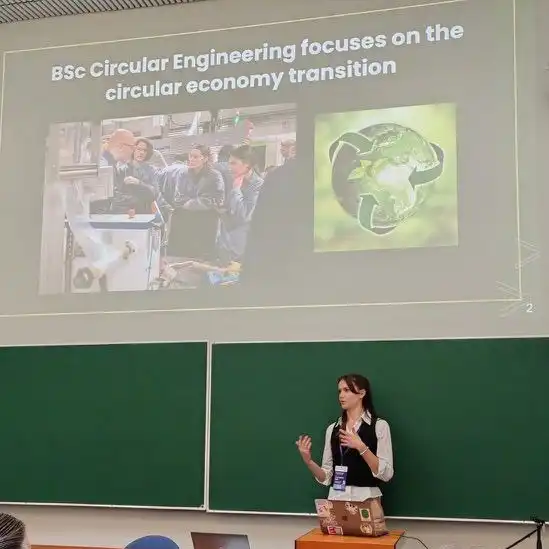
Co-creating authentic learning experiences in mathematics: Integrating sustainability into engineering calculus (SEFI 2025)
This study shows how co-creating sustainability-focused examples and assignments makes first-year calculus more engaging and relevant for engineering students
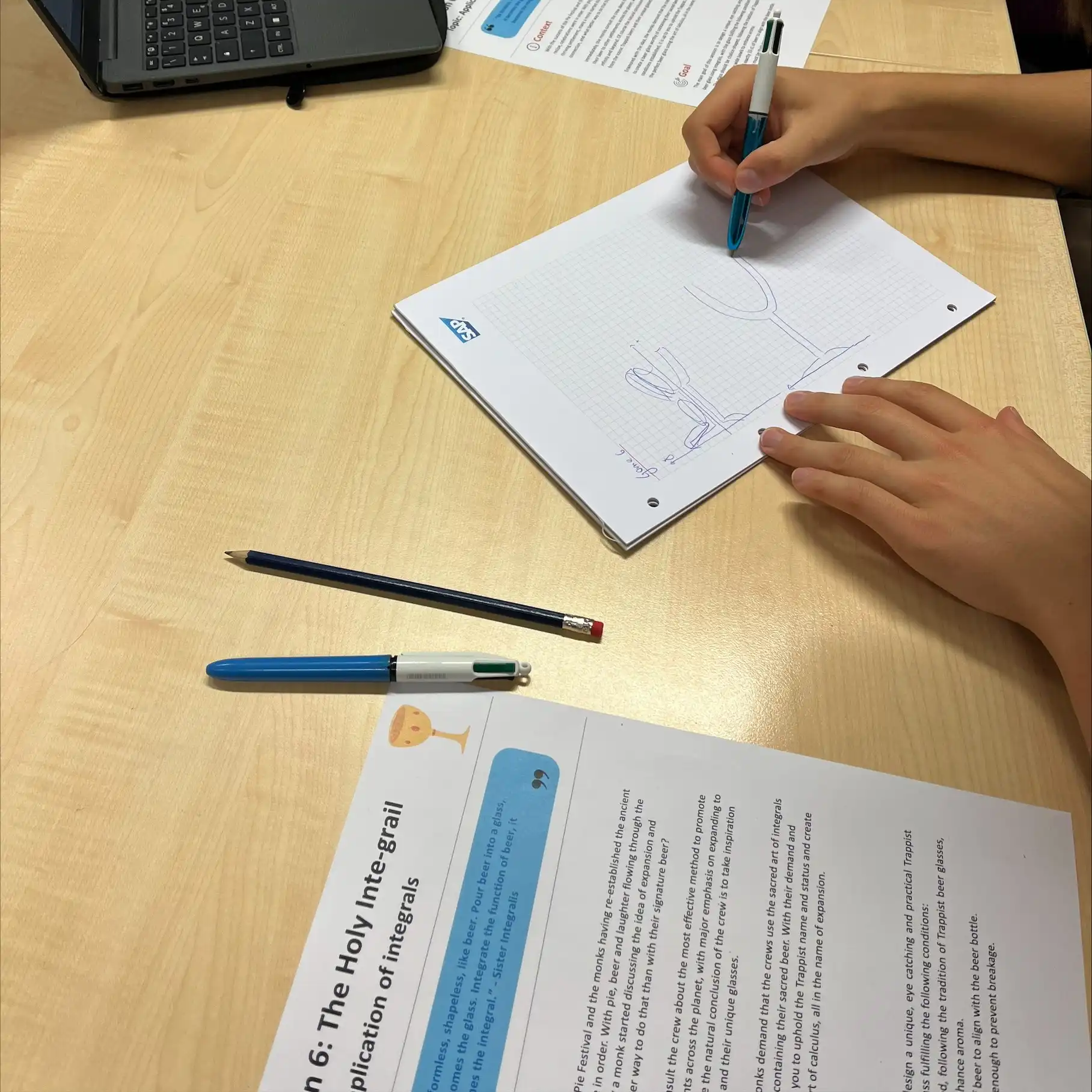
Calculus Legacy: A ludo-didactical learning experience for mathematics in engineering education (SEFI 2025)
Calculus Legacy is a narrative-driven board game developed at Maastricht University that uses Ludo Didactics and Problem-Based Learning to transform calculus from an abstract subject into an engaging, collaborative, and contextual learning experience for engineering students.
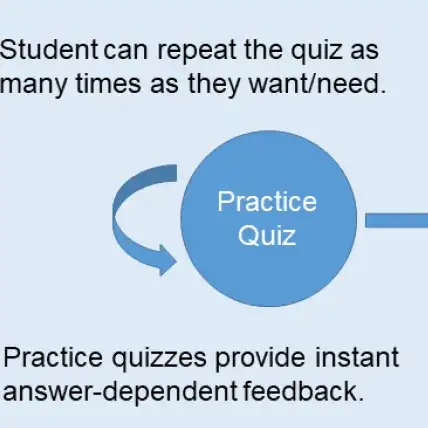
Testing is learning: Using randomized, parametrized, and diversified weekly online quizzes with answer-dependent feedback in multivariable calculus (SEFI 2024)
We enhanced calculus learning with randomized, adaptive online quizzes combining formative and summative assessment for engineering students.
How to make calculus assignments not boring? Designing calculus assessment with the constructive, contextual, collaborative, and self-directed principles of problem-based learning (SEFI 2023)
We redesigned calculus assessment using PBL and CCCS principles to make it more meaningful, engaging, and contextualized—enhancing student learning and engineering education.
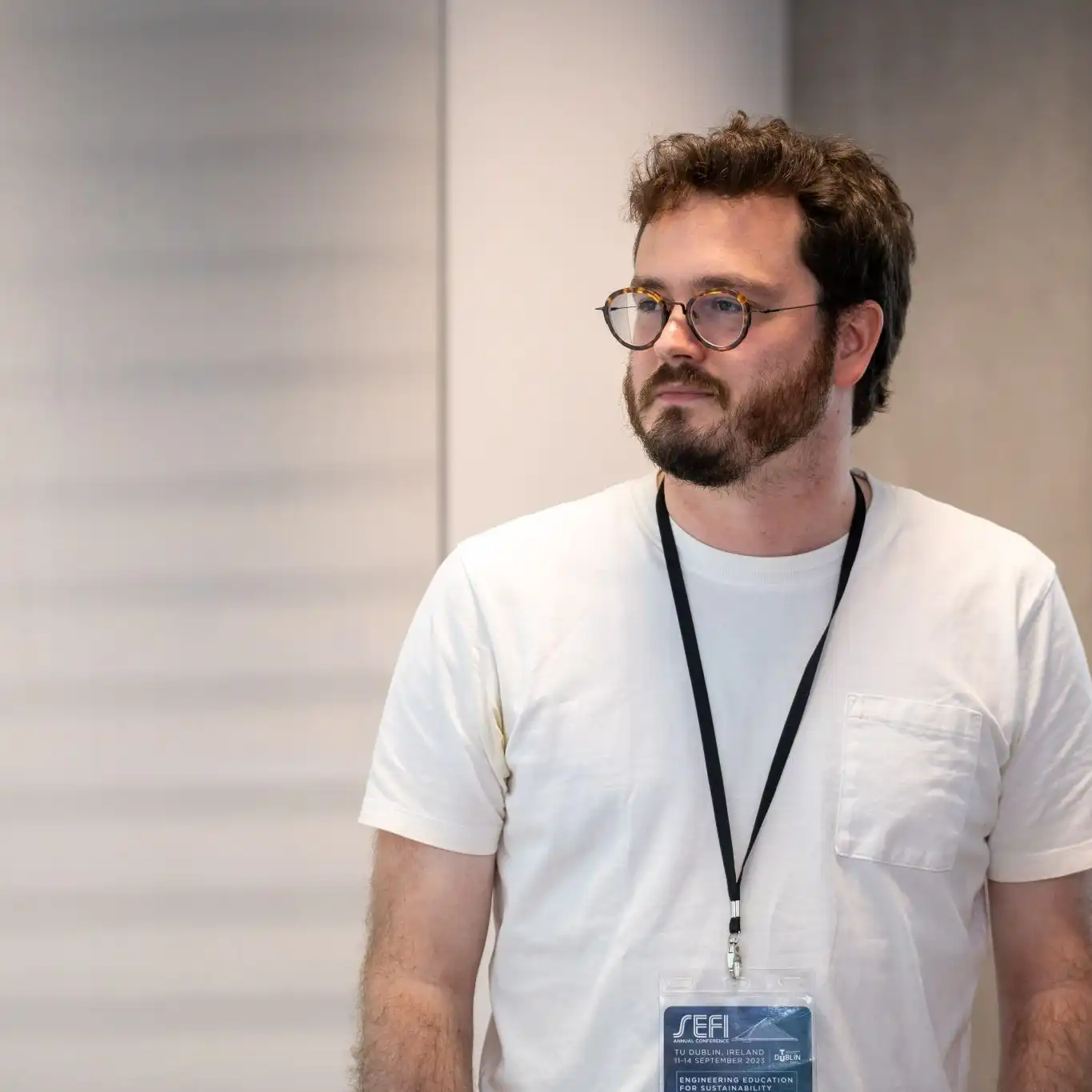
Automatic conversational assessment using large language model technology (ICETC 2024)
We presented our first paper about Automated Conversatinal Assessment (ACA) in the International Ccnference on Educational Technology and Computers, ICETC'24, in Porto, Portugal, at the end of September 2024. The prototype and the experient were done, and the paper writen by a talented group of our students in a Master Research Project of our AI program.
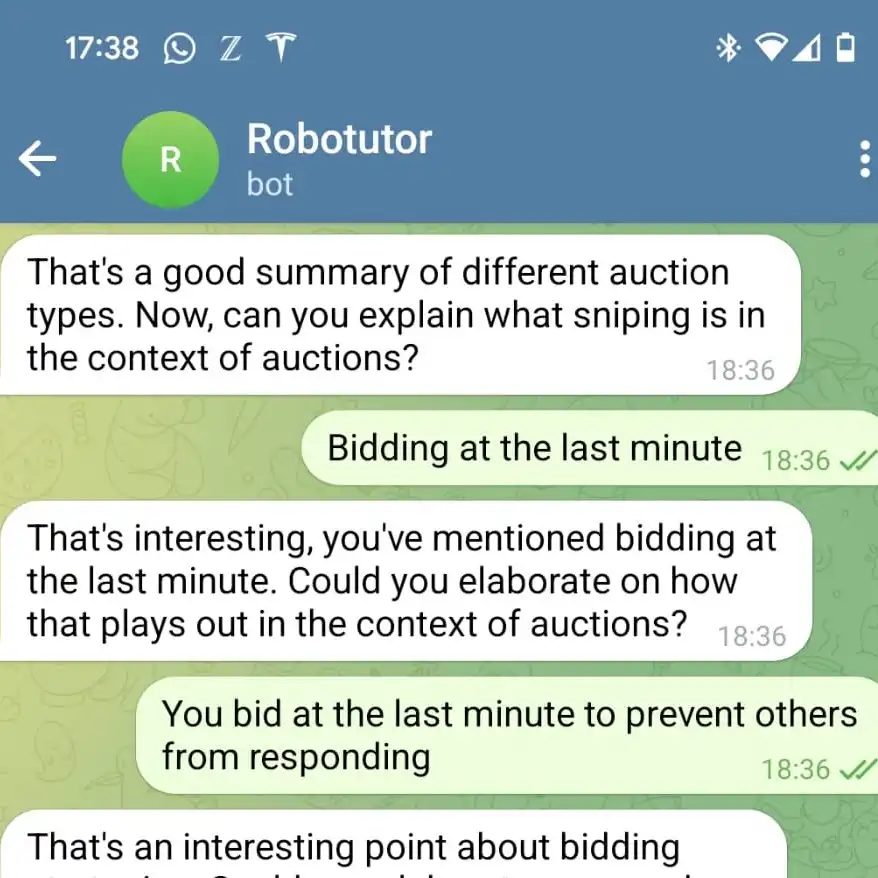
Generative AI-Based Virtual Assistant Using Retrieval-Augmented Generation: An evaluation study for bachelor projects (BNAIC/BeNeLearn 2024)
This paper develops a Retrieval-Augmented Generation virtual assistant to help Maastricht University students navigate project regulations, improving accuracy and reliability in specialized educational contexts using Large Language Models.